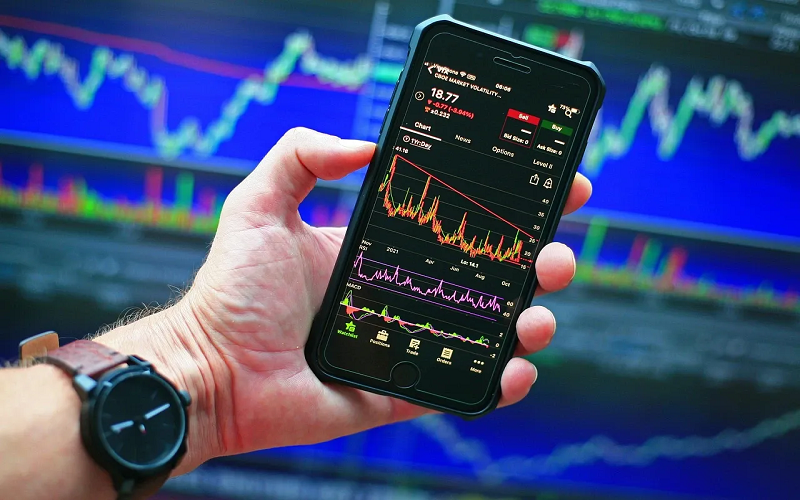
In the world of financial markets, timing can be as important as strategy. Contracts for difference, commonly known as CFDs, offer traders the flexibility to respond swiftly to price movements without the need to own the underlying assets. This characteristic makes CFDs particularly appealing in volatile markets, where opportunities can emerge and vanish within minutes.
Financial educators and institutions widely recognise that having the ability to act quickly is crucial for managing risk and seizing short-term opportunities. CFDs provide a practical avenue for traders seeking both responsiveness and versatility, making them a valuable tool for those looking to engage actively in market movements.
What CFDs are and how they work
A CFD is a financial contract that allows traders to speculate on the price movement of an asset, whether it is rising or falling, without physically owning it. Traders agree to exchange the difference between the opening and closing prices of the asset. This approach allows for straightforward participation in markets such as stocks, indices, commodities, and currencies.
Because CFDs are derivatives, their value is directly linked to the underlying asset. This connection provides the trader with exposure to price fluctuations without requiring the full capital necessary to buy the asset outright. This leverage can amplify potential returns but also increases the importance of careful risk management, a point emphasised by regulators and trading educators globally.
Reacting quickly in fast-moving markets
One of the primary advantages of CFDs is the ability to respond rapidly to market developments. Unlike traditional trading, where settlement times and ownership logistics can delay action, CFDs enable traders to enter or exit positions instantly. This immediacy is essential during periods of high volatility, such as economic data releases, geopolitical events, or sudden market sentiment shifts.
The speed at which trades can be executed with CFDs allows traders to implement strategies that capitalise on short-term price movements. Techniques such as day trading and scalping are often supported by CFD trading platforms, giving investors the tools to respond to changing conditions without cumbersome delays.
Flexibility and strategic options
CFDs also provide flexibility in the types of trades that can be executed. Traders can take both long and short positions, which means they can potentially profit from rising or falling markets. This versatility is a feature not always available with traditional investing, where gains typically require upward price movement.
Additionally, CFDs allow traders to manage positions with various risk management tools, such as stop-loss orders and take-profit levels. These features help protect capital while still enabling active engagement in fast-moving markets. Educational resources from reputable financial institutions frequently highlight the importance of combining quick execution with disciplined risk controls to maintain a sustainable trading approach.
Leveraging market exposure without full capital
Another significant benefit of CFDs is the ability to use leverage. By depositing only a fraction of the total trade value, traders can access larger positions than their initial capital would allow. This leverage can enhance potential returns, but it also underscores the necessity of understanding and managing risk effectively.
Experts stress that leverage must be applied judiciously. While it offers a pathway to magnified profits, it can equally amplify losses if market movements are adverse. Comprehensive education, risk analysis, and careful position sizing are critical components of responsible CFD trading.
Tools and resources for informed trading
Modern trading platforms provide a wealth of tools to help traders navigate fast-moving markets with CFDs. Real-time price feeds, charting software, and technical indicators enable informed decision-making. Combining these tools with an understanding of market fundamentals can improve the likelihood of timely and effective trade execution.
For traders looking to deepen their understanding of CFDs and the strategies best suited for active markets, brokers such as Saxo offer structured guidance and practical examples: view more here. These materials cover both basic concepts and advanced techniques, supporting a comprehensive approach to CFD trading.
Best practices for managing risk
Despite their advantages, CFDs are not without risk. Rapid market movements can lead to significant gains but also substantial losses. Experts recommend that traders maintain clear strategies, define risk tolerance levels, and consistently apply risk management techniques.
Using stop-loss orders, diversifying positions, and monitoring leverage are essential practices. Additionally, ongoing education and simulated trading can help beginners and experienced traders alike refine their strategies before committing significant capital. This disciplined approach allows traders to benefit from the responsiveness of CFDs while minimising the potential for unexpected losses.
Conclusion
CFDs offer traders a powerful mechanism to react quickly in fast-moving markets. Their structure allows for immediate position adjustments, strategic flexibility, and leveraged exposure without owning the underlying assets. When used thoughtfully, CFDs can provide a responsive and adaptable approach to trading, suitable for both short-term opportunities and broader portfolio strategies.
By combining practical knowledge, careful risk management, and access to reliable educational resources, traders can leverage the benefits of CFDs effectively.